Leeds United’s takeover by the 49ers Enterprises in July 2023 was a turning point when the club shifted from minority American investment to an all-American ownership group, which brought the commercial and analytical culture of US sport with it. The goal wasn’t to create an NFL team out of an historic English club, but to make data-based decisions and apply disciplined planning. That also influences the attitude of supporters towards the team, not only in the recruitment and financial aspects, but also in terms of reputation.
Wear and tear data provides better information to fans when evaluating today’s EPL predictions. But can strategies built around the NFL, deliver lasting prosperity in English football?
From the NFL to Elland Road: The 49ers’ vision for Leeds
The 49ers Enterprises is the investment wing of the NFL’s San Francisco 49ers. It acquired a 15% stake in 2018, upped its stake to 37% in January 2021 and then to 44% before gaining EFL approval for the takeover on 17 July 2023. Marathe, the then vice-chairman, was appointed Leeds chairman.
Marathe’s background includes business strategy and football operations for the 49ers, where data, a financial approach and long-term roster planning guide decisions. The other minority investors included NBA players Larry Nance Jr. and T.J. McConnell, golfers Jordan Spieth and Justin Thomas, and NBA player Russell Westbrook was reportedly among the investors.
The ‘Moneyball’ effect: A new era of recruitment and performance
In the United States, the sports model is more likely to integrate expert opinions and facts and figures. In Premier League football, it’s a mix of pressing, chance creation, movement and defensive action and availability, as well as scouting and coaching judgement. Proprietary performance analytics are a long-term goal for Leeds. Goal is not to let algorithms pick the team, but to make better decisions.
Smarter signings: Building a squad with data
A data-driven hiring process looks for players that might have a bigger value than what the price or profile indicates. Analysts can compare the performance of all the teams in a league, adjust for team strength and playing style, and determine which targets the manager should look for to best suit his system. Wages, injury history are also important too and resale value and development potential.
Leeds’ recruitment leadership have outlined a strategy that is good, but offers room for improvement. Established figures Sean Longstaff and Dominic Calvert-Lewin were joined by overseas imports Jaka Bijol and Anton Stach. The names don’t necessarily reflect a certain statistical method, but provide a good example of how difficult it is to compete today while preserving value for the future. Leeds would rather that they get a deal that suits them rather than the one that they sign out of a rush.
Optimizing performance: Lessons from the NFL and NBA
In American football and basketball, workload and recovery are tracked very carefully due to the fact that a handful of athletes can have a disproportionate impact on the results. Training loads, information on GPS tracking, medical data, and recovery information can be used to adjust training sessions, monitor fatigue, and signal potential risks.
Performance and medical management are part of the club’s football framework and investment in the facilities and processes are part of the club’s broader aspirations. The significance of Thorp Arch is that training infrastructure is available to conduct everyday fitness, rehabilitation, coaching and analysis. The bottom line is information that is used effectively by analysts, medical, recruiters, coaches.
Building a global brand: Commercial prosperity under new ownership
The Leeds United 49ers connection also adds an American flavour to the philosophy of commercializing sporting heritage as an asset. International supporters provide opportunities for merchandise, digital storytelling, international partnerships and sponsorship packages.
A significant step was achieved in 2024 when Red Bull agreed to become Leeds’ front-of-shirt partner and a minority investor. It was a deal which brought in commercial income and capital without changing the club’s name or crest. Collaborations with brands such as Adidas help further bolster retail reach and global visibility.
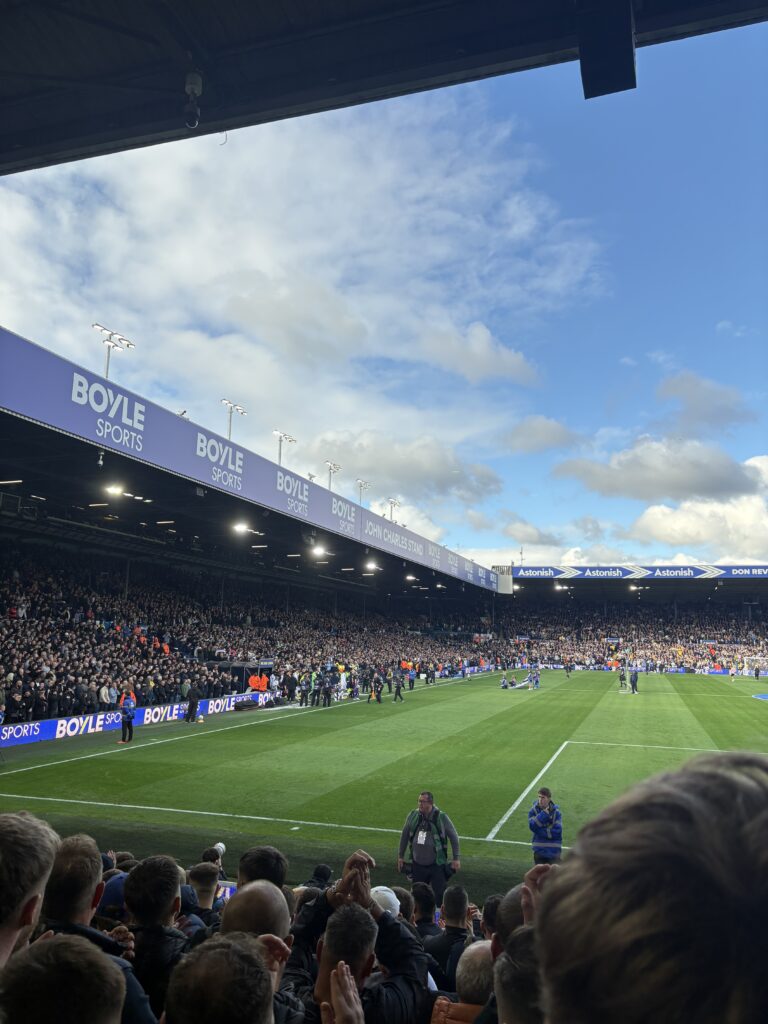
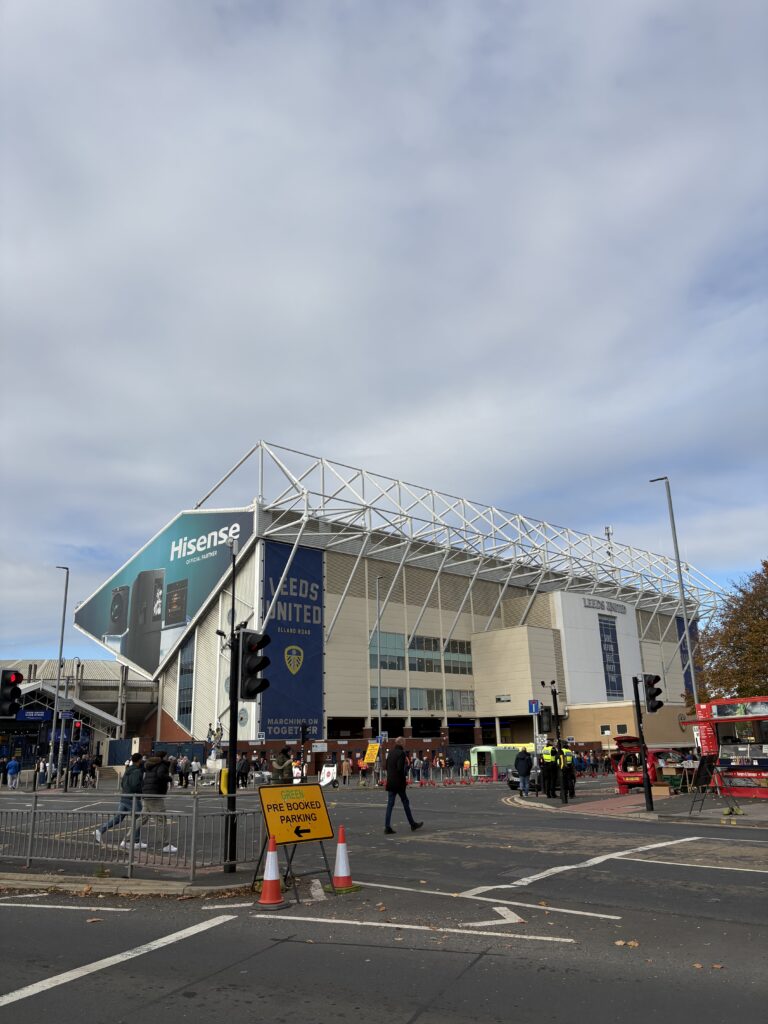
The long-term plan is focussed on Elland Road. In 2024 the club purchased the stadium back, and secured planning permission to increase capacity to 53,000 seats in January 2026 and works began on the West Stand in June. The redevelopment will provide enhanced facilities, additional capacity and greater opportunities for hospitality, whilst maintaining the unique atmosphere of the ground. Extra seating and more upscale experience could boost revenue, but costs, delivery risks and affordability need attention.
Having a bigger stadium can increase income on match days and bring in sponsors, events, and international crowds. Yet growth needs to strengthen the club; the history, the loyal fans and the Elland Road spirit are assets that will not stand in the way of modernisation.
What does this mean for the future? Leeds’ path to sustained success
The model is a framework for Leeds: recruiting on the basis of evidence; developing players; managing resources and increasing income for reinvestment. Today, it’s about recruitment, football analytics, and stadium redevelopment and partnerships provide revenue streams beyond ticket sales. These are foundations, not guarantees of trophies or uninterrupted top-flight football.
Recruitment may fall through, injuries can put an end to plans, financial restrictions can limit spending and competing clubs can have their upsides. The value of data is dependent on its quality and interpretation, and commercial projects have a lag time before returns are realized. Supporters ought not to evaluate based on decisions and continuous improvement but promises and one transfer window.
Leeds’ transformation is a snapshot of the shift in American control in the Premier League in general: the professionalisation of business systems at clubs with strong local connections. To be successful, football must remain at the core of the growth and it must benefit the team and fans. The question for any football or Premier League fan watching the club is whether this is a better way for Leeds to build a base to operate from year in and year out.
Image Source: unsplash.com